All posts by Marissa Smith

Understanding Erectile Dysfunction: ED Treatment Options Every Man Should Know

What is Erectile Dysfunction?

Erectile Dysfunction (ED) is not just part of aging – it can affect men of all ages.  It is defined as the inability to achieve or maintain an erection firm enough for satisfying sexual activity. While occasional difficulty isn’t unusual, persistent issues may point to a medical condition that should be addressed.

Common Symptoms of ED

If you or your partner is experiencing erectile dysfunction, you may notice:

• Trouble getting an erection
• Trouble keeping an erection during intimacy
• Reduced sexual desire (libido)

When these issues happen often, it may be time to explore ED treatment options.

Causes of Erectile Dysfunction

ED can be linked to physical health, emotional well-being, or both.

Physical causes may include:

  • Heart disease or clogged blood vessels
  • High blood pressure or diabetes
  • Obesity or low testosterone
  • Smoking, alcohol, or certain medications

Psychological causes may include:

  • Anxiety, depression, or stress
  • Relationship struggles
  • Performance Anxiety

ED Treatment Options

Men do not have to suffer in silence – erectile dysfunction is a common condition, and with the right support and treatment, there’s no need for embarrassment or giving up on physical intimacy. Effective ED treatment options do exist. Depending on the cause, a doctor may suggest:

Lifestyle changes: Quit smoking, limit alcohol, exercise regularly, lose weight, improve sleep
Medications: Oral prescriptions such as sildenafil (Viagra) or tadalafil (Cialis) to improve blood flow
Therapy: Counseling or couples therapy for stress, anxiety, or relationship issues
Other treatments: Medical devices, hormone therapy, or injections when needed

When To See A Doctor

Seek medical advice if ED:
• Happens frequently or is worsening
• Causes relationship strain
• Might be connected to health concerns like heart disease or diabetes

Bottom Line: Erectile Dysfunction is a common men’s health issue – but you don’t have to live with it. With the right ED treatment options, men can restore confidence, strengthen relationships, and improve overall well-being.

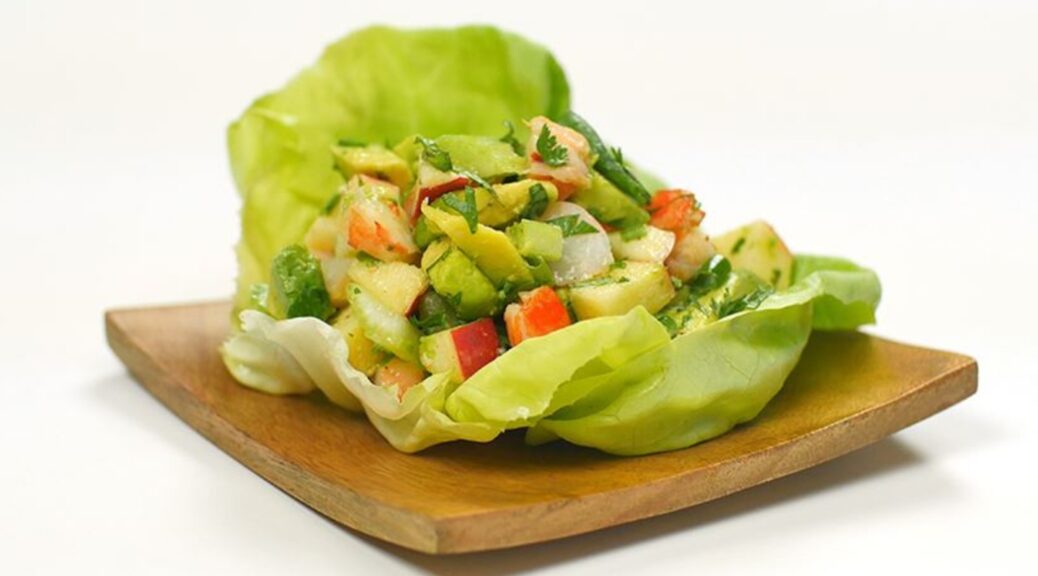
Avocado and Shrimp Salad

Avocado and Shrimp Salad

Ingredients:

2 tablespoons fat-free plain Greek yogurt
2 tablespoons canola or corn oil
3 teaspoons lime juice 1/4 teaspoon pepper (freshly ground preferred)
1/8 teaspoon salt
1 pound large cooked, peeled shrimp, tails discarded and chopped
1 small apple, finely diced
1 1/2 cups finely chopped celery (about 3 stalks)
1/2 cup chopped fresh cilantro
1/4 cup chopped green onion
1 medium avocado, diced
4 large Bibb lettuce leaves (optional)

Instructions:

1. In a large bowl, whisk together the yogurt, oil, lime juice, pepper, and salt.

2. Stir in the shrimp, apple, celery, cilantro, and green onion.

3. Gently stir in the avocado.

4. Serve immediately, or cover and refrigerate to serve cold.

5. When ready to serve, spoon the salad into the lettuce leaves.

Quick Tips

Cooking Tip: To cook raw shrimp, add the shrimp to a large pot of boiling water. Cook for 2 to 3 minutes, or until all the shrimp turn pink on the outside. Drain in a colander. Run the shrimp under cold water to stop the cooking process. Drain well.

Nutrition Information:

Makes 4 servings. Each serving has: Calories: 247, Protein: 29g, Fiber: 5g, Dietary Exchanges: 1/2 fruit, 4 lean meat, 1 vegetable

Chickadillo (Chicken Picadillo)

Chickadillo (Chicken Picadillo)

Ingredients:

1-pound chicken breast, boneless, skinless, cut into thin strips
2 teaspoons olive oil
1 large yellow onion, finely chopped
1 medium green pepper, finely chopped
1 medium red pepper, finely chopped
3 cloves garlic, mashed
⅓ cup water
⅓ cup no-salt-added tomato sauce
⅓ cup low-sodium chicken broth
⅓ cup fresh lemon juice
¼ teaspoon ground cumin
¼ cup golden raisins
2 bay leaves

Garnishes
Fresh cilantro leaves
1 tablespoon capers, drained
2 tablespoons green olives, chopped

Instructions:

1. Heat the olive oil in a large skillet over medium heat. Add the onion, peppers, and garlic, and sauté until the vegetables are soft, about 5 minutes.

2. Add the chicken and stir fry for another 5 to 10 minutes, until the chicken has cooked through.

3. Add the tomato sauce, chicken broth, lemon juice, cumin, bay leaves, water, and raisins to the vegetables and chicken.

4. Cover the pan and reduce the heat. Simmer for 10 minutes or until the chicken is tender.

5. Remove the bay leaves and serve with brown rice and black beans. Garnish with fresh cilantro, capers, and olives.

Nutrition Facts:

Makes 6 Servings. Serving Size: 3/4 cup. Per Serving: Calories 162, Total Fat 5g, Saturated Fat 1g, Cholesterol 46mg, Sodium 133mg, Total Fiber 2g, Protein 18g, Carbohydrates 13g, Potassium 380 mg

Everyday Ways To Reach Your Daily Protein Needs With Real Food, Not Fads

Everyday Ways To Reach Your Daily Protein Needs With Real Food, Not Fads

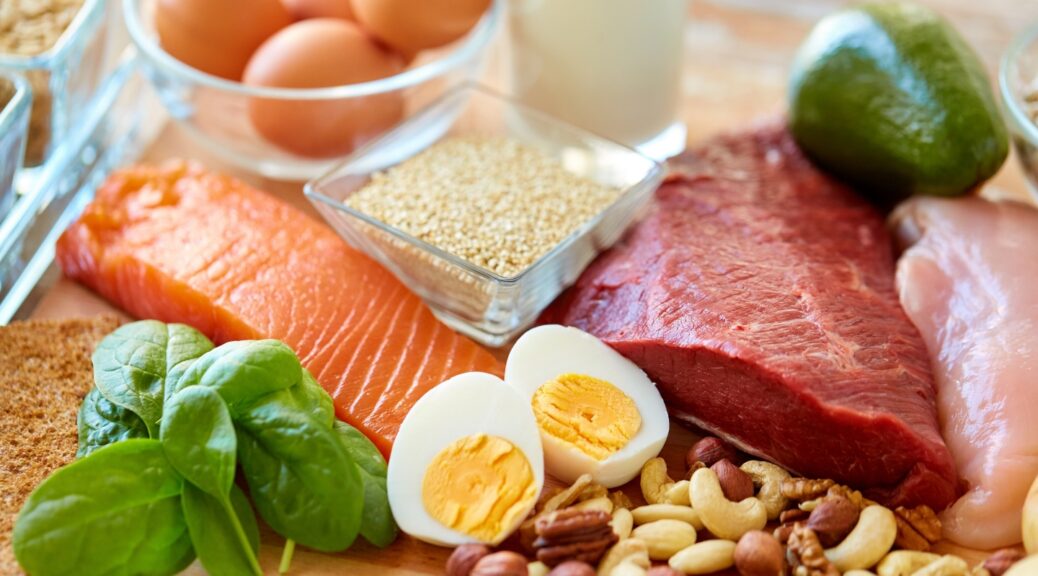
Proteins are the body’s building blocks, essential for life. They make up bones, cartilage, muscles, blood, skin, enzymes, hormones, and vitamins. They help repair and build cells and tissues, support blood clotting and fluid balance, and keep the immune system strong. In short, protein isn’t just for athletes – it’s vital for everyone. Knowing your daily protein needs can help you stay healthy, energized, and balanced. 

What Makes A Protein Complete?

Proteins are made from amino acids, much like words are built from letters. While your body can create some amino acids on its own, nine “essential amino acids” must come from food.

  • Animal proteins (meat, poultry, fish, eggs, dairy) are “complete,” containing all nine essentials.
  • Plant-based options like quinoa, soy (tofu, tempeh, edamame), chia seeds and hemp seeds are also complete, making them excellent choices for vegetarians or vegans. Variety is key – different protein sources provide unique nutrients.

Daily Protein Needs Explained

For most adults, the Recommended Dietary Allowance (RDA) is 0.8 grams of protein per kilogram of body weight (0.36g per pound).

For example:

  • a 165-pound adult needs about 60 grams of protein daily.
  • To calculate your own needs, multiply your weight in pounds by 0.36.

Protein needs may increase with activity, pregnancy, or breastfeeding. For most healthy adults, exceeding 2 grams per kilogram (about 125 grams a day for a 140-pound person) isn’t recommended and can lead to dietary imbalance or health concerns.

Protein in Real Food

It’s best to get your daily protein needs from whole foods rather than powders and bars. Here’s a simple guide:

  • 1 oz of poultry, beef, pork, or fish ≈ 7 grams of protein (a deck of cards-sized portion = about 21 grams)
  • 1 cup cooked lentils ≈ 18 grams
  • 1 cup Greek yogurt ≈ 20 grams
  • 2 Tbsp peanut butter ≈ 8 grams.

Including a variety ensures you get not just protein, but also fiber, vitamins, and minerals.

High-Protein Meals That Fit a Heart-Healthy Lifestyle

The American Heart Association emphasizes lean protein, healthy fats, and plant-forward eating. Try these ideas:

  • Breakfast: Greek Yogurt Parfait with berries and nuts, or a Tofu Scramble with vegetables.
  • Lunch: Chicken and Quinoa Power Bowl or Lentil Soup with whole-grain bread.
  • Dinner: Grilled Salmon with roasted vegetables, or White Bean and Chicken Chili.

The Mediterranean Diet Example

For balance, the Mediterranean diet remains one of the best models. It emphasizes whole grains, fruits, vegetables, nuts, and legumes, while incorporating moderate amounts of fish, poultry, and dairy. Red meat is limited. This eating pattern not only meets daily protein needs, but also supports long-term heart health.

Can You Get Too Much Protein?

More isn’t always better. Excessive protein may crowd out healthy carbohydrates and fats, leading to imbalance. Eating more protein than your body uses can also contribute to weight gain if activity levels stay the same.

For those with pre-existing kidney issues, a high-protein diet may increase the risk of kidney stones or strain kidney function – especially when animal proteins dominate the diet. Balance is the key to protecting long-term health.

Smart Protein Strategies

Choose lean proteins: Fish, skinless poultry, beans, lentils, tofu, and low-fat dairy.
Add more plant-based options: Nuts, seeds, and legumes provide protein plus fiber.
Avoid processed meats: Deli meats, bacon, and sausages often come with excess sodium and saturated fat.
Cook light: Grilling, baking, broiling, or stir-frying helps keep meals healthy.
Season well: Use herbs, spices, garlic, and onion instead of excess salt.

Bottom Line

Protein is vital, but knowing your daily protein needs ensures you get the right amount —not too little, not too much. Focus on variety, lean sources, and plant-forward meals to keep your diet balanced. By following heart-healthy, Mediterranean-inspired eating habits, you’ll not only meet your protein goals but also support your overall wellness for years to come.

Sources:
Food Smart Colorado – Colorado State University Extension
•Provided guidance on calculating daily protein needs (grams per kilogram/pound).
• Source for the Recommended Dietary Allowance (RDA) and protein intake chart.
Johns Hopkins Bayview Medical Center – Clinical Nutrition Department
• Source for protein content in common foods (e.g., 7 grams of protein per ounce of meat/fish).
American Heart Association (AHA)
• Recommendations on lean protein
sources, plant-forward eating, and h

Shedding Light on SAD in Seniors: When Darkness Affects Mood

Shedding Light on SAD in Seniors: When Darkness Affects Mood

Seasonal Affective Disorder (SAD) is a type of depression that typically occurs during the fall and winter months when daylight hours shorten. While it affects people of all ages, seniors are particularly vulnerable due to physiological changes, reduced mobility, and increased isolation that often accompany aging.

Understanding the Impact

SAD in older adults can manifest as persistent sadness, fatigue, sleep disturbances, and a loss of interest in activities they once enjoyed. These symptoms maybe mistaken for normal aging or other health conditions, making diagnosis more challenging. Compounding the issue, seniors may already be coping with chronic illnesses, bereavement, or reduced social interaction, which can intensify the effects of seasonal depression.

The Role of Light

One of the primary causes of SAD in seniors is reduced exposure to natural sunlight, which disrupts the body’s internal clock and lowers serotonin levels—a key mood regulating chemical. Seniors who spend more time indoors, especially in assisted living or nursing
homes, may receive even less sunlight, increasing their risk.

Strategies for Support

Combatting SAD in seniors requires a multifaceted approach:

Light Therapy: Using a light box that mimics natural sunlight can help regulate mood and sleep cycles.
Outdoor Activity: Encouraging short walks or time outside during daylight hours boosts both physical and mental health.
Social Engagement: Staying connected with family, friends, or community groups can counteract feelings of isolation.
Nutrition & Exercise: A balanced diet and regular movement support overall well-being and can alleviate depressive
symptoms.
Professional Help: Therapy or medication may be necessary in more severe cases, and early intervention is key.

A Compassionate Perspective

Recognizing SAD in seniors isn’t just about treating symptoms – it’s about preserving quality of life. With empathy, awareness, and proactive care, families and caregivers can help older adults navigate the darker seasons with resilience and hope.

By shining a light – literally and figuratively – on this often-overlooked condition, we empower seniors to embrace every season with strength and serenity.

Senior Fall Prevention: Why It Matters More Than Ever

Senior Fall Prevention: Why It Matters More Than Ever

Understanding the risks – and simple steps to help keep older adults safe, mobile, and independent

Why Senior Fall Prevention Is So Important

Senior fall prevention is a critical part of staying healthy and independent as we age. Falls are the leading cause of injury-related deaths in people 65 and older. In fact, the risk of mortality after a fall is nearly 10% within the first month. That number jumps to 33% within one year. These are not just bumps and bruises – they can be life-altering events.

The Danger Behind a Fall

As we get older, healing takes longer. What used to be a minor injury can become a major setback. In seniors, a fall often leads to hospitalization – and a longer hospital stay brings risks of infection, muscle loss, and other complications.

Immobility is especially dangerous. The longer a senior is off their feet, the less likely they are to return to their previous level of mobility. That can set off a chain reaction of physical and emotional decline.

Fear, Anxiety, and the Emotional Impact

Senior fall prevention isn’t just about physical health. It’s also about peace of mind. A bad fall can trigger fear, anxiety, and even depression. Older adults who once walked daily or enjoyed social outings may now stay inside, afraid to fall again.

And for some, the trauma of lying on the floor for hours—or even overnight—before being found can have lasting effects, both mentally and physically.

Common Fall Risk Factors

Effective senior fall prevention starts with identifying the risks. These may include:

Medications that cause dizziness or drowsiness

Poor lighting and cluttered walkways

Loose rugs, cords, or small furniture

Improper footwear or slippery socks

These small hazards can have big consequences.

Smart Senior Fall Prevention Tips

1. Make the Home Safer

Remove tripping hazards, tape down rugs, add grab bars in bathrooms, and increase lighting in dark areas. A few small changes can make a big difference.

2. Choose Safer Footwear

Avoid high heels, floppy slippers, or slick soles. Instead, wear well-fitted shoes with non-skid bottoms. Even socks can be slippery—opt for rubber-soled socks if needed.

3. Schedule a Fall Risk Review

Talk to your doctor about your risk factors. Review medications and discuss any balance issues. Ask about senior fall prevention strategies that are personalized to your needs.

Final Thoughts on Senior Fall Prevention

Senior fall prevention is one of the most important ways to protect long-term health and independence. A few proactive steps can lower fall risk and help seniors stay active, confident, and engaged. Because when it comes to falls, prevention truly is the best medicine.

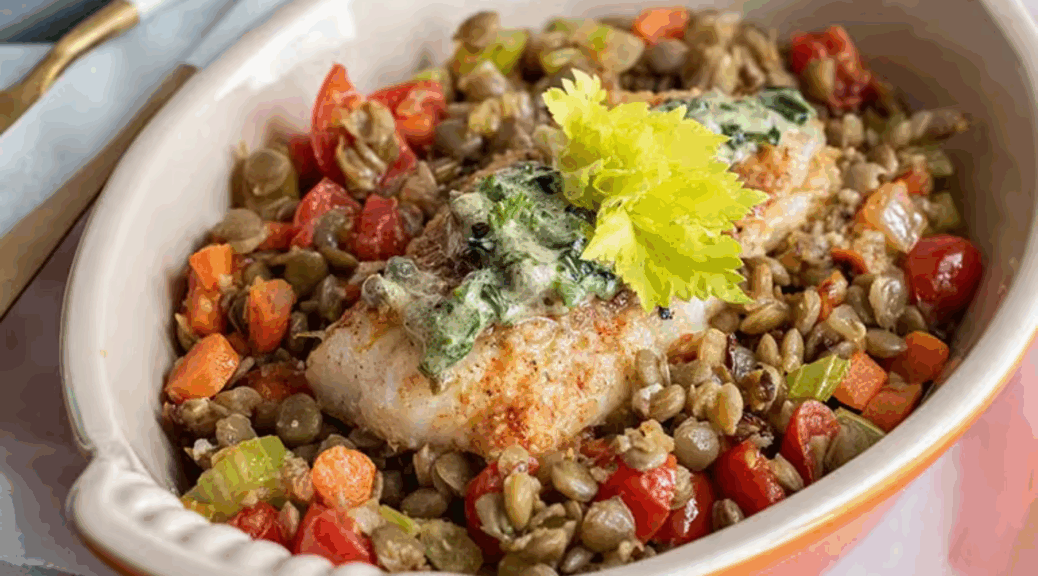
Cod with Lentils and Dijon Herb Sauce

Cod with Lentils and Dijon Herb Sauce

Ingredients:

¾ cup green lentils, rinsed
5 tablespoons plus 2 teaspoons extra-virgin olive oil
1 yellow onion, chopped
1 carrot, chopped
1 rib celery, chopped
¼ teaspoon kosher salt
¼ cup chopped flat-leaf parsley
8 basil leaves, chopped
1 tablespoon capers, chopped
½ teaspoon Dijon mustard
1 tablespoon white wine vinegar
⅛ teaspoon freshly ground black pepper
4 4-ounce pieces cod fillet (or tilapia)

Instructions:

1. To make the lentils, fill a medium saucepan with water and bring to a boil over medium-high heat. Add the lentils. Simmer until tender but still hold their shape, 20 to 25 minutes. Drain.

2. Meanwhile in a large skillet, heat 2 tablespoons of the oil over medium-high heat. Add the onion, carrot, celery and salt and cook, stirring often, until softened, about 10 minutes. Remove from the heat and stir in the tomatoes and lentils.

3. To make the Dijon herb sauce, in a small bowl combine the parsley, basil, capers, mustard, vinegar, 3 tablespoons of the oil and the pepper.

4. Heat the oven to 375°F.

5. To make the fish, line a sheet pan with parchment paper. Add the fish and drizzle with the remaining 2 teaspoons oil (½ teaspoon per piece). Bake until opaque throughout and flakes easily, about 10 minutes.

6. Serve the fish over the lentils and top with the Dijon herb sauce.

Nutrition Information:

Makes 4 servings. Each serving has: Calories 425, Total fat 21g, Saturated fat 3g, Protein 31g, Carbohydrate 49g, Dietary fiber 6g, Sugar 5g, Added sugar 0g, Cholesterol 49mg, Sodium 315mg


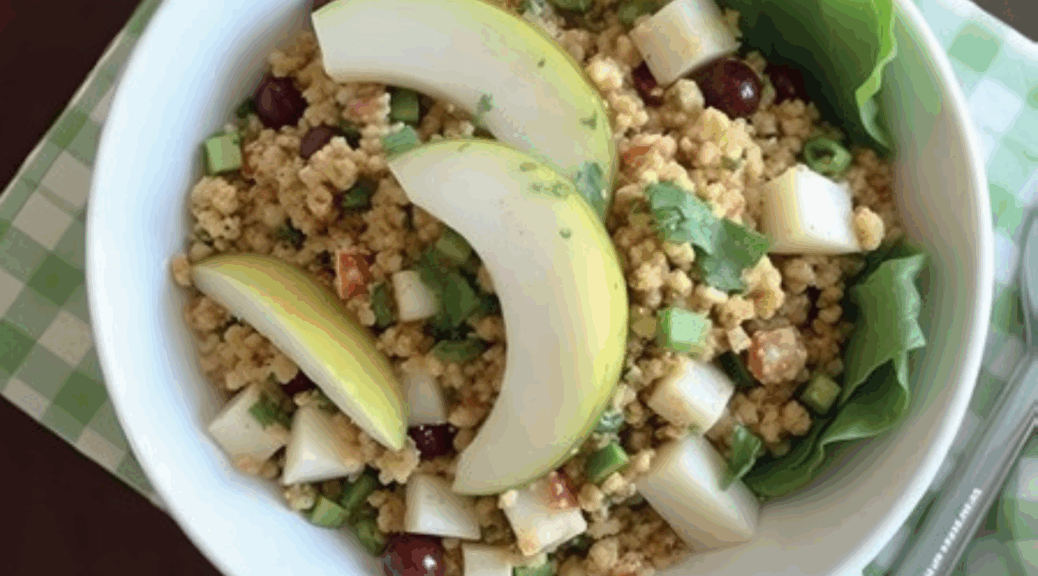
Quinoa and Asian Pear Salad

Quinoa and Asian Pear Salad

Ingredients:

1 cup uncooked quinoa (rinsed, drained)
4 oz. snow peas (trimmed)
Asian pear, chopped into 1/2-inch pieces, peeled
1/4 cup red bell pepper (diced)
1/4 cup chopped pecans (dry-roasted)
1 medium green onion (chopped, green part only)
1 tsp. sesame seeds (dry-roasted)
2 Tbsp. fresh lemon juice
1 Tbsp. olive oil (extra virgin preferred)
1 tsp. toasted sesame oil
1/4 tsp. salt
1/4 tsp. pepper

Instructions:

1. Prepare the quinoa using the package directions, omitting the salt. Transfer to a medium bowl. Fluff with a fork. Let cool.

2. Meanwhile, fill a small saucepan halfway with water. Bring to a boil over high heat. Cook the snow peas for about 45 seconds, or until bright green and tender-crisp. Drain in a colander. Plunge into a bowl of cold water to stop the cooking process. Drain well in a colander. Cut the snow peas into 1/2-inch pieces.

3. Stir the snow peas, pear, bell pepper, pecans, green onion, and sesame seeds into the quinoa.

4. In a small bowl, whisk together the remaining ingredients. Stir into the quinoa mixture, tossing gently to coat. Let stand for 15 minutes so the flavors blend. Serve at room temperature or cover and refrigerate for 1 hour to serve chilled.

Cooking Tip: To prevent the Asian pear from browning, place the chopped pieces in cold water until you’re ready to use them. If Asian pears aren’t available, you can substitute a sweet eating apple, such as a Gala, or another crisp pear, such as a Bosc.

Nutrition Facts:

Calories 198 Per Serving Protein 5g Per Serving Fiber 5g Per Serving

Why the Mediterranean Diet is a Smart Summer Choice

Why the Mediterranean Diet is a Smart Summer Choice

Delicious, heart-healthy, and affordable – perfect for every age

A Time-Tested Approach to Eating Well

The Mediterranean Diet first gained attention in the 1970s with Dr. Ancel Keys’ Seven Countries Study, which found that populations near the Mediterranean Sea had some of the lowest rates of coronary heart disease. This traditional way of eating emphasizes plant-based foods, healthy fats like extra virgin olive oil, and minimal red meat or processed foods.

Appropriate for all ages, the Mediterranean Diet encourages sustainable habits that are delicious, simple, and proven to support lifelong health.

What Makes the Mediterranean Diet Special

Here’s a closer look at the core components of this heart-healthy, flavorful approach:

Whole Grains

Grains like bulgur, quinoa, couscous, farro, barley, and brown rice are fiber-rich and loaded with vitamins and minerals that refined grains lack. Choose whole grain bread, brown rice, and pasta for long-lasting energy and digestive support.

Fruits and Vegetables

A wide variety of seasonal, local and colorful produce is low in calories and packed with antioxidants, fiber & nutrients. Higher fruit and vegetable consumption is linked to a reduced risk of chronic diseases.

Legumes, Nuts, and Seeds

These are the main plant-based proteins in the Mediterranean Diet. Lentils, beans, almonds, and sunflower seeds offer minerals, fiber, and healthy fats. Studies link them to a lower risk of heart disease, type 2 diabetes, obesity, and some cancers.

Healthy Fats

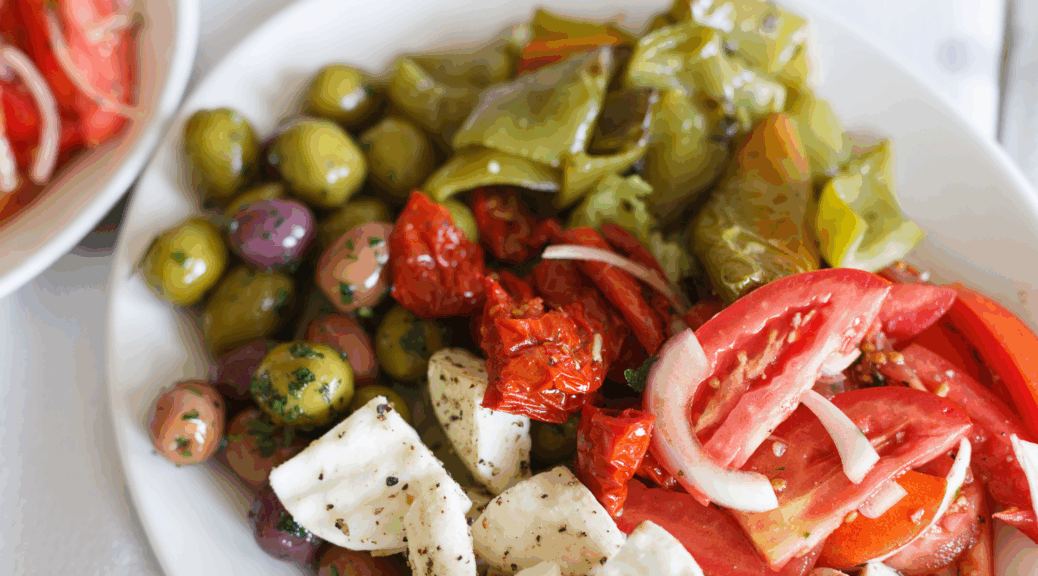
Olive oil replaces butter and processed oils as the main source of fat, offering monounsaturated fatty acids (MUFAs) that help raise HDL (“good”) cholesterol and reduce inflammation. Olive oil possesses antioxidant and anti-clotting properties.

Lean Proteins

Seafood, poultry, and eggs are preferred over red meats. Fatty fish like salmon, tuna, and sardines are also excellent sources of omega-3 fatty acids that reduce the risk of heart attack and stroke.

Dairy in Moderation

Natural options like feta, Parmesan, and Greek yogurt offer calcium and protein with less processing. Stick to a few servings per week and avoid sugary, high-fat varieties.

Wine – If You Choose to Drink

Some studies suggest that moderate red wine consumption with meals may have heart benefits. However, it’s not without risk – particularly for young adults. One in four deaths among Americans aged 20 to 34 involves alcohol. Know your limits and weigh the pros and cons.

Daily Physical Activity

Pairing the Mediterranean Diet with 30 minutes of movement most days of the week helps improve heart health, manage weight, and reduce stress. Walking, gardening, or light stretching all count.

Stay Hydrated

Aim to drink half your body weight in ounces of water daily. For a 140-pound person, that’s about 70 ounces. Water supports every system in your body and helps prevent overeating.

Use Herbs Instead of Salt

Mediterranean Diet cooking features bold herbs and spices – like basil, oregano, rosemary, and thyme – for flavor and color, not sodium.

Long-Term Health Benefits

Multiple U.S. and European studies show that consistent adherence to the Mediterranean Diet is associated with a reduced risk of:

• Cancer

• Cardiovascular disease

• Metabolic syndrome

• Alzheimer’s disease

• Parkinson’s disease

This isn’t a quick-fix diet – it’s a lifelong lifestyle that promotes overall well-being and longevity.

Smart Grocery Tips

Eating Mediterranean Diet style doesn’t require exotic shopping trips. Farmers markets and grocery stores, especially from April – October, are stocked with seasonal options.

Try these simple swaps:

• Choose more fruits and vegetables than other items

• Pick whole grain pasta and bread (check for “whole wheat” as the first ingredient)

• Choose extra virgin olive oil over butter or margarine

• Buy frozen or canned fruits and veggies when fresh options are too pricey

Eating Healthy on a Budget

You don’t have to overspend to follow the Mediterranean Diet. Try these cost-saving ideas:

• Greek yogurt is high in protein but may cost more.

Regular, low-fat, low-sugar yogurt is a good alternative.

• Canned fish like tuna and salmon are budget-friendly

sources of omega-3s.

• Meat alternatives such as eggs, beans, and nuts are

protein-rich and often cheaper than meat.

• Seasonal produce is typically fresher, more affordable,

and more nutritious. Frozen or canned veggies are also

smart options with longer shelf lives.

Diets with Similar Benefits

Other evidence-based diets, such as the DASH Diet, USDA’s MyPlate, and the American Heart Association’s lifestyle guidelines, share many of the same benefits. What makes the Mediterranean Diet distinct is its focus on:

• Olive oil and olives

• Wine in moderation

• Fresh herbs and spices instead of salt

More Than a Diet

Healthy eating is only one piece of the puzzle. A truly balanced lifestyle includes regular movement, restorative sleep, social connections, and stress management.

For families looking to nourish their bodies and simplify their meals, the Mediterranean Diet offers a delicious, flexible, and science-backed approach to living well – starting with what’s on your plate.